What a subcutaneous injection means
A subcutaneous (SQ or sub-Q) injection goes into the fatty tissue just under the skin - not into a muscle or a vein. MedlinePlus explains that SQ injection is the standard way people give themselves certain medicines at home, such as insulin, and many GLP-1 medicines used in weight care follow this approach, usually with a prefilled pen.
MedlinePlus describes SQ needles as very short and thin. Even so, the first self-injection feels like a big step for many people, and that is normal. A clinician, nurse, or pharmacist can demonstrate the steps before you do them on your own, and asking for that demonstration is a reasonable, expected request.
Choosing and rotating injection sites
MedlinePlus lists three areas that generally work well for SQ self-injection: the belly area (below the ribs and above the hip bones, at least 2 inches away from the belly button), the outer side of the upper thighs, and the upper arms (on the side or back, at least 3 inches below the shoulder and 3 inches above the elbow). The patient information pages for semaglutide and tirzepatide describe the same general areas - abdomen, thigh, or upper arm - so the exact options depend on your specific medicine.
Two site rules matter every time. First, the skin at the site should be healthy: MedlinePlus says to avoid any spot with redness, swelling, scarring, bruising, or other damage to the skin or the tissue below it. Second, change your site from one injection to the next, at least 1 inch apart. Rotation keeps the skin healthy and helps the body absorb the medicine well. Some people keep a simple note of where they injected last so rotation stays easy.
A safer routine before, during, and after
Before: check the label to confirm you have the right medicine, the right dose, and that it is not outdated. Gather supplies ahead of time - MedlinePlus lists an alcohol pad, clean gauze pads, and a sharps container - and wash your hands with soap and running water. If the pen or packaging looks damaged, do not use it; set it aside and call the pharmacy.
During: clean the skin at the injection site with the alcohol pad, wiping in a circular motion away from the spot, and let it dry. Then follow the steps in your own medicine's instructions for use. Pens differ in how they are prepared and how a dose is delivered, so the leaflet that came with your medicine is the final word - not a general guide like this one.
After: never reuse a needle. MedlinePlus is direct on this point: do not use the same needle and syringe more than once. Used needles go straight into a sharps container. Our storage and travel guide covers sharps disposal and local drop-off questions in more detail.
Common worries, and when to call
A small bruise or a drop of blood at the site can happen and is usually not a sign of a problem. What deserves a call is different: spreading redness, warmth, swelling that keeps growing, severe pain, fever, or anything that looks like an allergic reaction. The semaglutide and tirzepatide patient pages both list serious reactions that mean contacting a doctor right away, and our warning-signs page walks through those red flags in plain language.
If fear of needles is the issue, say so out loud. Clinicians hear this often, and a supervised first injection or a slower teaching visit can help. Stress about a routine is worth mentioning for the same reason as any other concern: your care team can only help with what they know about.
Storage, travel, and missed doses connect here
Injection questions rarely travel alone. Storage and temperature rules are medicine-specific and are covered in our guide to storing, handling, and traveling with GLP-1 injections. Missed-dose and restart-after-a-gap questions have their own medication-specific instructions, covered in our missed-dose guide.
If low blood sugar is part of your situation - a risk that is higher for people also using certain diabetes medicines - our low blood sugar guide covers symptoms and response steps. Bring any of these connected questions to your clinician together, because the answers often depend on each other.
Questions to ask your clinician or pharmacist
Bring practical questions to your next visit or pharmacy pickup: Which injection sites work for my specific medicine? How should I rotate them? Can you watch me do my first injection? What should a normal site look like afterward, and what should make me call? How do I get a sharps container, and where do I take it when it is full?
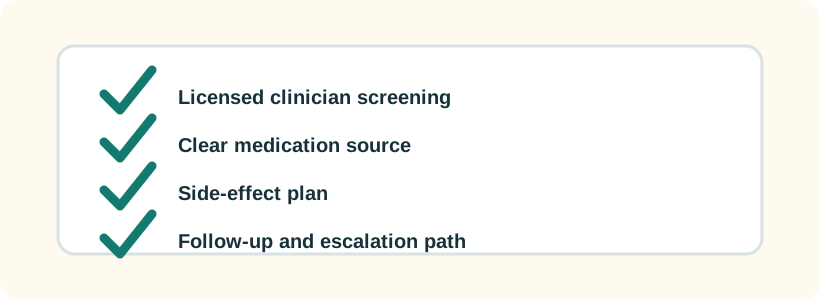
NIDDK's safe-program guidance emphasizes ongoing support, and injection teaching is a concrete example. A program or clinician that never offers injection guidance leaves you guessing about a task you may repeat for months. Asking for a demonstration is not a burden - it is part of good care.