Common vs. serious: why the difference matters
Official drug information pages, such as MedlinePlus, separate common side effects from serious ones. Common effects like mild nausea are often discussed at follow-up visits. Serious effects are listed with instructions to call a doctor immediately or get emergency medical care.
Reading both lists before starting a medicine is one of the most useful safety habits. It helps you know which symptoms can wait for a message or appointment and which cannot.
Stomach, pancreas, and gallbladder warning signs
Severe stomach pain that does not go away, pain that moves to the back, or stomach pain with ongoing vomiting are symptoms that official labeling asks patients to report right away. These can be signs of pancreas or gallbladder problems.
Other symptoms to report promptly include vomiting or diarrhea that will not stop, signs of dehydration such as dizziness or very little urination, yellowing of the skin or eyes, and fever with stomach symptoms.
Allergic reaction and blood sugar warning signs
Signs of a serious allergic reaction include swelling of the face, lips, tongue, or throat; trouble breathing or swallowing; severe rash or itching; and fainting. These are emergency symptoms. MedlinePlus describes this kind of reaction as anaphylaxis, which needs emergency care.
People who also use insulin or certain diabetes medicines can face low blood sugar. Warning signs include shakiness, sweating, confusion, fast heartbeat, and blurred vision. A clinician can explain how to recognize and handle low blood sugar for a specific plan.
Thyroid and other symptoms to report
A lump or swelling in the neck, hoarseness, trouble swallowing, or shortness of breath should be reported to a clinician right away. GLP-1 medicine labeling notes that these medicines caused thyroid C-cell tumors in rodent studies, which is why these symptoms are taken seriously.
Also report vision changes, new or worsening depression, or thoughts of harming yourself. Do not wait for a scheduled visit if a symptom feels serious.
Who to contact, and in what order
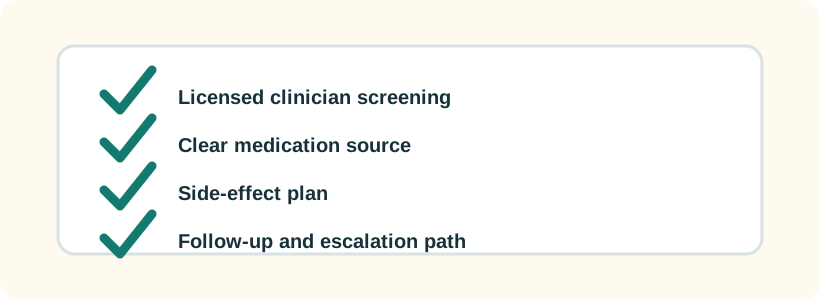
If a symptom seems life-threatening, such as trouble breathing or throat swelling, call 911 or go to the nearest emergency room first. For serious but non-emergency symptoms, contact the prescribing clinician or the program's medical support the same day.
Keep the medication guide and your program's contact information easy to find. Do not change your dose or stop a medicine on your own while you wait for guidance, unless a clinician or emergency responder tells you to.